%2Ffit-in%2F250x250%2Fguide_websites%2F8969%2Fimages%2Fmicrosoftteams-image3.png&w=1200&q=100)
Caught a Trophy Crappie in Sabine Parish
Crappie Fishing in Toledo Bend
5.0

1 Review
- 5
 100%
100% - 4
 0%
0% - 30%
- 20%
- 10%
%2F%2Fusers%2F1ad95335-0ed1-4205-b5fc-6f3588e993c8%2Fimages%2Fcrappie-light-tackle-solans-boat-7206.png&w=1200&q=75)
Black Crappie (Pomoxis nigromaculatus) are popular gamefish belonging to the Centrarchidae family and Perciformes order. These distinctive panfish typically range from 4 to 19 inches in length and can weigh up to 5 pounds when they reach trophy size. - Found primarily in lakes and rivers with abundant structure and vegetation. - Toledo Bend Reservoir is nationally known for producing quality crappie throughout the year. - Black crappie are distinguished from white crappie by their irregular spotting pattern versus the vertical bars found on white crappie.
Guided Fishing Trip by Guide Dawson Cowden in August
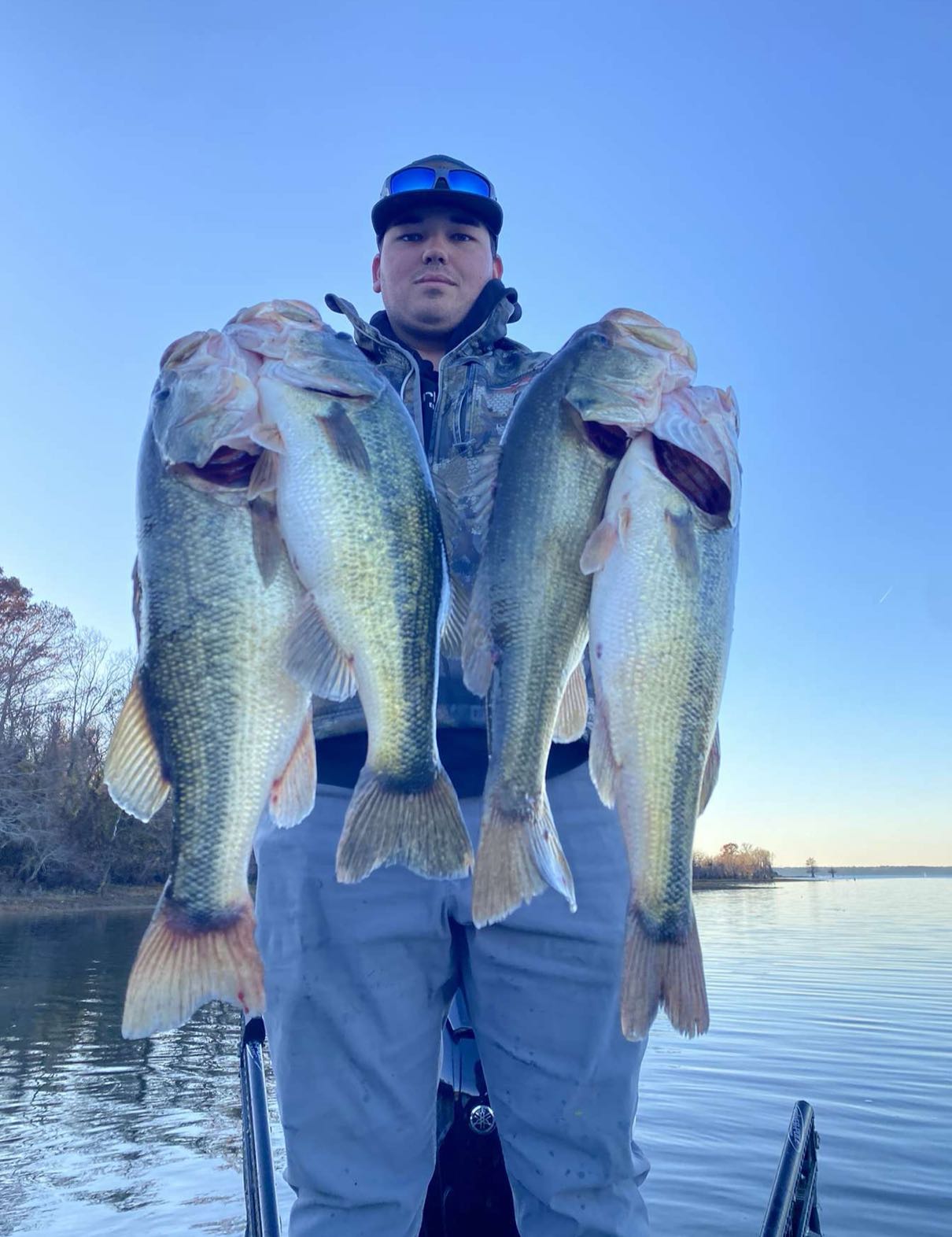
Meet your Guide Dawson Cowden
- Experience Toledo Bend Lake Fishing Bounty


Summary
Friday July crappie fishing on Toledo Bend Reservoir with Perch Jerkers Guide Service delivered non-stop action! We launched from Solan's Boat Launch in Sabine Parish, LA for a 6-hour guided fishing trip targeting crappie. The day's highlight was landing a monster 26-inch trophy crappie—a true Toledo Bend slab! Guide Dawson Cowden expertly switched between trolling crankbaits and dropping plastic worms into productive areas as conditions changed throughout the day. The summer bite is in full swing right now, making it prime time for anglers looking to target these tasty panfish. Whether you're a beginner or experienced angler, this trip offers the perfect opportunity to learn techniques while enjoying the beautiful Toledo Bend scenery.
Fishing Charter with Dawson Cowden – Rates & Booking
Guide Dawson Cowden of Perch Jerkers Guide Service on Friday July leads our popular 6-Hour Crappie Fishing in Toledo Bend package. This guided fishing trip runs from April through December, starting at 6:30am to catch the most productive hours on the water. All fishing equipment is provided, including quality rods, reels, and the most effective baits and lures for the current conditions. Our licensed guides have extensive local knowledge of Toledo Bend Reservoir and know exactly where the crappie are biting during each season. With a maximum of 2 guests per trip, you'll receive personalized attention and instruction tailored to your skill level.
Highlights of 6 hour Toledo Bend Crappie Fishing Guide
Toledo Bend Reservoir is world-renowned for its exceptional crappie fishing, and our guided trips put you right where the action is. You'll learn proven techniques like trolling crankbaits and working plastic worms in productive areas—skills you can take home and apply to your own fishing adventures. The reservoir consistently produces quality crappie, with the potential to land true trophy-sized fish throughout the season.
Summer fishing has been exceptionally productive this year, with schools of active crappie providing consistent action throughout the day. Our guides monitor water conditions, temperature, and seasonal patterns to ensure you're fishing the most productive spots during your trip. From locating fish on the finder to demonstrating proper technique, we'll ensure you have the knowledge and opportunity to catch these popular panfish.
Local Species Insights: Crappie
Black crappie (Pomoxis nigromaculatus) thrive in Toledo Bend's diverse habitat. These popular game fish prefer areas with structure—submerged timber, brush piles, and deeper drops near shorelines. During summer months, they typically hold in deeper water during daylight hours, moving to shallower areas during early morning and evening feeding periods. Our guided trips focus on these prime feeding windows, using light tackle that makes even average-sized crappie feel like monsters on the line.
Crappie are schooling fish, so when you find one, you've likely found many. This makes them perfect for anglers who enjoy consistent action. Toledo Bend's trophy potential is exceptional, with fish regularly exceeding 2 pounds—including that impressive 26-incher we landed recently! The reservoir's abundant forage base and diverse habitat create ideal conditions for growing quality crappie throughout the year.
Plan Your Fishing Charter Day
Your 6-hour crappie adventure begins at Solan's Boat Launch in Sabine Parish. We recommend arriving 15 minutes before your scheduled departure time. Bring sunscreen, polarized sunglasses, weather-appropriate clothing, and a camera to capture your trophy catches. A cooler with drinks and snacks is also recommended, though we can provide water upon request. Our comfortable, well-maintained boats feature quality electronics, comfortable seating, and all necessary safety equipment for a worry-free day on the water.
For the best experience, consider booking during weekdays when boat traffic is lighter. While summer offers consistent action, spring (April-May) often provides the year's best crappie fishing as they move shallow to spawn. Fall trips (September-October) can also be exceptional as fish feed heavily preparing for winter. With our flexible scheduling and expert guidance, we'll make sure your Toledo Bend crappie adventure exceeds expectations.
Fishing in Toledo Bend: Crappie
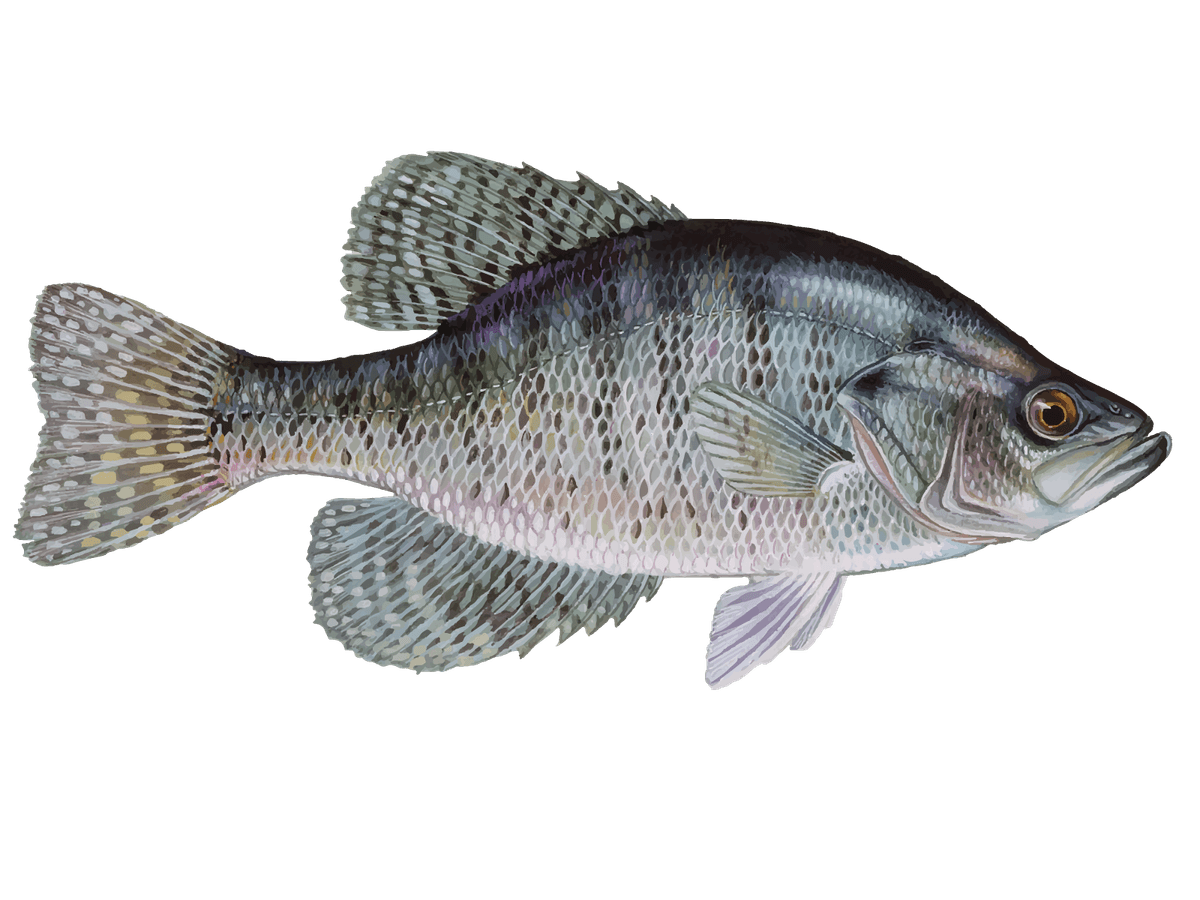
The Crappie (Pomoxis nigromaculatus), commonly known as Black Crappie, is a highly sought-after freshwater game fish belonging to the Centrarchidae family and Perciformes order. These popular panfish are distinguished by their deep, laterally compressed bodies and speckled pattern—earning them the nickname "specks" among anglers. In Toledo Bend waters this July, crappie have been providing exceptional action for both casual and serious anglers.
Crappie Overview
Crappie are among the most popular panfish in North America, prized for both their sporting qualities on light tackle and excellent table fare. Both Black Crappie (Pomoxis nigromaculatus) and White Crappie (Pomoxis annularis) are found in Toledo Bend, though Black Crappie tend to dominate in the reservoir's structure-rich environment.
Crappie Habitat and Distribution
These versatile fish thrive in rivers and lakes with abundant cover. They prefer clear to moderately stained water around structure like submerged timber, brush piles, dock pilings, and vegetation edges. In Toledo Bend specifically, crappie are found throughout the reservoir but concentrate around deeper creek channels, flooded timber, and artificial fish attractors during summer months.
Crappie Size and Weight
Typical crappie range from 4 to 19 inches in length. While average catches might fall in the 9-12 inch range, trophy specimens exceeding 15 inches and weighing up to 5 pounds are possible, especially in productive fisheries like Toledo Bend. A 26-inch crappie would be considered an exceptional trophy anywhere in the country.
Crappie Diet and Behavior
Crappie are primarily carnivorous, feeding on small minnows, tiny shad, insects, and zooplankton. They're known for their schooling behavior, meaning when you locate one, you've likely found many. They're most active during dawn and dusk, though in deeper water they can be caught throughout the day. Seasonal movements are influenced by water temperature and spawning cycles.
Crappie Spawning Season
In Toledo Bend, crappie typically spawn when water temperatures reach 56-65°F, usually occurring from late February through April. Males construct shallow nests in 2-8 feet of water, often in protected areas near shorelines. After spawning, they gradually move to deeper summer haunts where they remain relatively consistent in their patterns until fall.
Crappie Fishing Techniques
Several effective methods produce consistent results for crappie. Vertical jigging with small plastic grubs or hair jigs around submerged structure is perhaps the most popular technique. Spider rigging (slow trolling with multiple rods) with small crankbaits or jigs is highly effective for covering water. In July, anglers around Sabine Parish find success targeting deeper brush piles in 15-25 feet of water, using electronics to pinpoint schools before deploying baits. Light line (4-6 pound test) and sensitive rods enhance bite detection.
Crappie Is It Good to Eat?
Crappie are widely considered among the best-tasting freshwater fish. Their firm, white, flaky flesh has a mild, sweet flavor that even non-fish lovers often enjoy. They're excellent when filleted and pan-fried in a light breading, baked, or even grilled. Nutritionally, they're high in protein and low in fat, making them a healthy choice for the dinner table.
Crappie Frequently Asked Questions
Q: What is the best bait for crappie on Toledo Bend?
A: Small jigs (1/16-1/8 oz) in white, chartreuse, or black/chartreuse combinations are top producers. Live minnows are also excellent, especially when fished near structure. During summer months, crankbaits trolled at varying depths can locate scattered schools.
Q: Where can I find crappie near Sabine Parish?
A: Focus on main lake points, creek channel edges, and areas with submerged timber. Popular spots include Six Mile Creek, Housen Bay, and areas around the Highway 6 bridge. Look for depths of 15-25 feet during summer months.
Q: Is crappie good to eat?
A: Yes, crappie are considered one of the best-tasting freshwater fish. Their white, flaky meat has a mild, sweet flavor that's delicious when properly prepared. Most anglers prefer to fillet them and remove the small rib bones before cooking.
Q: When is the best time to catch crappie on Toledo Bend?
A: While crappie can be caught year-round, spring (March-May) during the spawn and fall (September-November) are typically the most productive seasons. Summer fishing can be excellent too, but often requires targeting deeper water and structure during daylight hours.
Q: What size crappie should I keep on Toledo Bend?
A: Toledo Bend regulations require crappie to be at least 10 inches to keep, with a daily limit of 25 per person. Always check current regulations before fishing as they may change.
Q: What's the difference between black and white crappie?
A: Black crappie have irregular dark spots across their bodies, while white crappie display more distinct vertical bars. Black crappie generally prefer clearer water and more structure, while white crappie are more tolerant of turbid conditions.